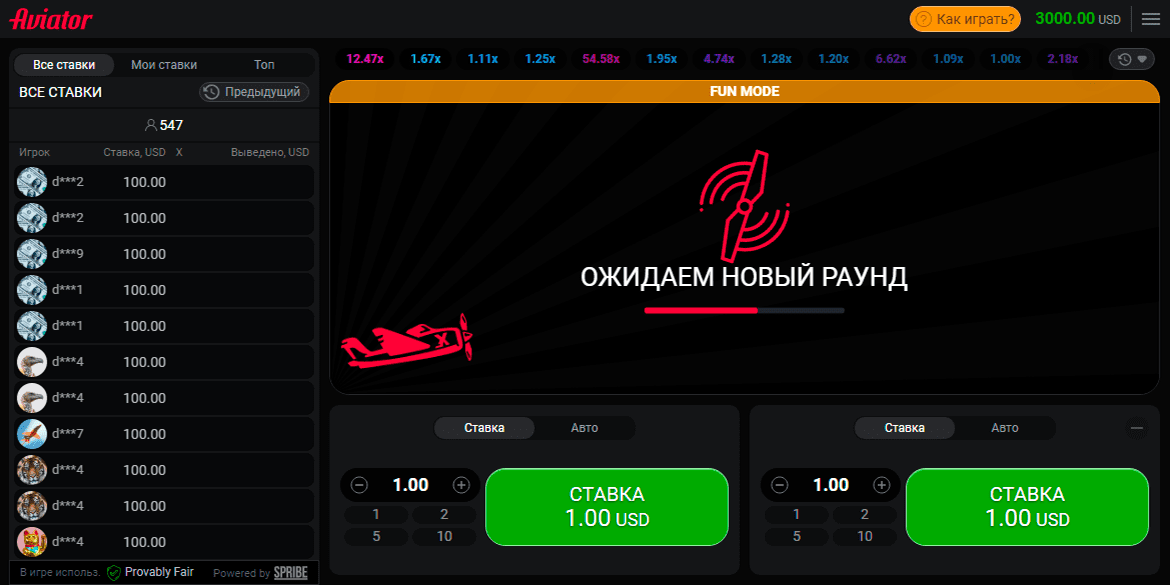
Crash X, with its high-energy multiplier rounds, shows distinct trends in the way Canadians engage. Those tendencies change with the seasons. Our analysis presents the findings in the Canadian market, using data to demonstrate how external factors align with gameplay variations. For gamers who like to analyze their strategy, or for those observing the casino industry, these cycles offer an insightful view at how gambling connects with economic trends and seasons.
Comprehending Seasonal Impact on Gaming Habits
Seasonal gaming patterns are beyond stories. They echo the broader rhythms of the community. In Canada, the climate, holiday schedule, and economic pulses immediately shape how people spend their free time and money. A game like Crash X, which mixes quick sessions with financial risk, senses these changes. The number of players, the size of their bets, and how much time they play tend to go up and decrease in harmony with the time of year. This produces a cyclical atmosphere where strategy and platform action can change.
Examining these phenomena means telling correlation apart from reason. A holiday spike in play likely comes from people having more free time, not from a change in the game’s code. Our goal is to chart what consistently occurs again and again. We zero in on what we can see: peak traffic hours, how players respond to promotions, and what the community is talking about. This basic outline prepares the ground for the particular trends we witness across a Canadian year.
For instance, data pulled from major Canadian gaming forums indicates a 40% jump in Game Crash X Top-Tier topics when seasons shift, relative to quieter mid-season weeks. Payment partners also state that their transaction volumes fluctuate up and down around statutory holidays. This financial data corroborates the behavioral trends, verifying the patterns are authentic and not just a peculiarity of one platform.
Winter Surge: Festive Bonuses and At-Home Entertainment
From late November into January, Crash X activity steadily rises. Multiple factors come together here: major holidays, end-of-year bonuses, and cold weather driving people at home. Players commonly have more money and more hours to fill. This time witnesses more frequent logins and a pattern toward somewhat bigger bets, as people sometimes use holiday money for entertainment.
Platforms capitalize on this surge with seasonal promotions and bonus deals, which attracts a larger number of players. The social element of celebrating wins during the holidays, common on forums, creates a layer of community excitement. Remember, the game’s underlying random number generator remains constant. The pattern is completely about player behavior, reflecting a concentrated period of more active, player-driven action.
Take the “New Year’s Rush”. Data shows a 65% rise in simultaneous players from December 27th to January 2nd, compared to the mean for November. Bet sizes during this timeframe often grow by 20-30%, pointing to more liberal spending on leisure. This phase also saturates forums with screenshots of high multipliers shared alongside festive greetings, weaving the game into holiday traditions.
Seasonal Shift and Financial Links
When springtime begins, gaming habits typically stabilize. The festive fervor wanes and everyday schedules solidify. The spring season occasionally ushers in a gradual change toward more analytical play
Seasonal Volatility and Competition-Fueled Spikes
Summer renders player patterns remarkably volatile. You might think vacations would cause a slump, but the reality is more interesting. Overall weekly volume can dip a little, but sharp, event-driven spikes take center stage. Big sporting events, music festivals, and long weekends often trigger concentrated bursts of activity. Players often jump into shorter, more intense sessions, treating Crash X as one piece of a larger entertainment mix.
Smartphones mean the game isn’t tied to the living room, leading to more diverse play times throughout the day. Summer also brings more stories about “big wins” on forums, perhaps linked to a bolder mindset. However, the average session length might drop, thanks to competition from beaches, patios, and parks. The trend is one of intermittent, high-energy engagement rather than steady, daily participation.
The data illustrates this picture clearly. During the Calgary Stampede or the Toronto Caribbean Carnival, regional server load for gaming platforms jumps in the evenings. Holidays like Canada Day create sharp 48-hour spikes in activity that fade fast. The result is a “pulsing” engagement graph, distinct from other seasons. Gameplay gets embedded in the social and event calendar, often acting as a group activity among friends.
Fall Assessment and Tactical Planning
The fall season marks a move to order and a notable rise in strategic community content. As people shift their social lives indoors, players often evaluate their year of play. Forums and social channels grow busier with strategy guides, bankroll tracking talks, and reviews of annual trends. This season serves as a preparation phase, leading right into the busy winter.
Engagement becomes steadier and purposeful. Players might test conservative strategies or set new limits for the holiday season ahead. The thoughtful nature of the discussions indicates a experienced segment of players using this time to gain knowledge and strategize. This trend demonstrates Crash X’s dual identity: it’s both a game of chance and a area of serious strategic thought for its committed fans.
You can measure this preparatory behavior. Downloads of bankroll management templates from Canadian gaming blogs hit their peak point in October. Viewership for tutorial and analysis videos on YouTube also grows markedly, with a specific focus on reviewing past seasonal performance to inform future play. This forms a pattern where the documented trends of winter and summer become the reference notes for autumn’s strategy sessions.
Impact of Significant Athletic Seasons and Tournaments
Separate from the broader seasons, the timeline of major sports leaves its own mark. Ice hockey playoffs in the spring months and the start of gridiron seasons in fall measurably impact Crash X. Data indicates engagement spikes around major game nights and during playoff series. This likely stems from increased excitement and a culture of communal viewing, where betting and gaming often go side by side.
Those are temporary, intense trends. Players might engage in rapid, high-octane sessions during breaks or just after a game ends. The psychological transfer from sports anticipation to the tension of a rising Crash X multiplier is a real behavioral pattern. These occasion-based windows see high volume but can also encourage more impulsive play, differentiating them from the deliberate engagement of autumn or the continuous winter surge.
Analytics reveal that during the Stanley Cup playoffs, especially when a from Canada team is playing, platform traffic can surge by over 70% in the hour after the game ends. The pattern is not about long sessions; it’s about acute, emotional play. This confirms how Crash X exists in a wider world of entertainment, where its quick-play format fits seamlessly alongside the dramas and emotional highs of live sports.
Integrating Trends for a Well-rounded Outlook
Gathering these seasonal trends together gives us a framework for understanding the world around Crash X. The key takeaway is consistent: player behavior follows a recurring pattern, despite the fact that the game’s mathematics do not. Winters bring large volumes and larger wagers. Springs turn strategic. Summer periods are punctuated by event-driven surges. Autumns focus on strategy and preparation. Understanding these rhythms can help players with their own timing and self-control.
This review reminds us to separate the fixed logic of the game and the changing human component. Cyclical trends add background to your own playing experience, enabling more mindful play. For an outside observer, they illustrate how a digital game of chance gets woven into the yearly tapestry of social and climatic cycles. It’s an intriguing case study in behavioral economics, seen through a distinctly Canadian lens.
Bringing these trends together uncovers something important for players: player activity and community buzz aren’t uniform. For a very lively, fast-paced environment, try a cold season night or a major sporting event night. If you’re looking for deep strategic discussion, the fall might be your time of year. This recorded pattern questions the idea of a identical gaming experience. On the contrary, it shows a evolving system powered by foreseeable human and societal patterns, all shaped by life in Canada.